Source Biodegradable Back Seal Mailer Bag for Clothing, Food, and Express Shipping
Compare 30 biodegradable back seal mailer bag options from China suppliers. These customizable, waterproof pouches made from PLA and Pbat materials offer bio-degradable features for clothing packaging, food service, and express logistics needs; compare the available evidence and request quotations based on your requirements.
Key considerations
Products List




Comprehensive Sourcing Guide
Biodegradable Back Seal Mailer Bag Sourcing Guide
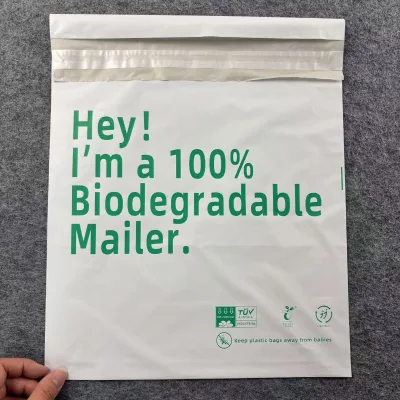
Sourcing biodegradable back seal mailer bags requires a careful balance between environmental claims and functional performance. Buyers must distinguish between products made from compostable polymers like PLA and Pbat, and those using traditional laminated materials that may only offer partial biodegradability. The observed market includes diverse models such as TC-bgb and KDD007, each with distinct material compositions and structural designs. Understanding these differences is critical for aligning procurement with specific sustainability goals and regulatory requirements in target markets.
The back seal design offers a cost-effective and efficient packaging solution for various industries, including clothing, household goods, and promotional items. These bags often feature self-sealing mechanisms and waterproof properties, ensuring product protection during transit. However, the term "biodegradable" can be ambiguous; some listings indicate full compostability, while others suggest recyclability or moisture resistance. Procurement teams should verify the specific end-of-life pathway for each bag type to ensure compliance with local waste management regulations and corporate sustainability commitments.
Product Scope and Observed Listing Signals
The current market landscape for biodegradable back seal mailer bags is characterized by significant variation in raw materials and manufacturing processes. Listings indicate the use of raw materials such as Pbat PLA, laminated materials, and high-pressure polyethylene. These materials dictate the bag's physical properties, including thickness, transparency, and barrier performance. Buyers should note that while some products are explicitly labeled as bio-degradable, others may rely on composite packaging techniques that blend traditional plastics with biodegradable components. This distinction is vital for accurate inventory classification and environmental reporting.
Observed product attributes reveal a wide range of customization options, including size, color, and logo printing. Many suppliers offer up to ten colors and accept customized logos, catering to brand-specific packaging needs. The bags are available in various forms, such as back seal bags, upright bags, and square bottom pouches. Additionally, features like antistatic properties, shock resistance, and high barrier water proofing are commonly advertised. Procurement specialists must cross-reference these features with actual product samples to ensure they meet the specific operational requirements of their supply chain.
Technical Specifications to Verify
Technical verification begins with confirming the material composition and thickness of the biodegradable back seal mailer bags. Buyers should request detailed specifications for the raw materials, particularly whether the product is made from pure PLA, Pbat, or a blend. Thickness is a critical factor influencing durability and barrier performance, and it is often customizable. Procurement teams must ensure that the selected thickness provides adequate protection for the intended contents, whether for lightweight clothing or heavier household items, without compromising the biodegradability claim.
Sealing methods and structural integrity are equally important technical considerations. Most observed products utilize self-sealing mechanisms, which enhance convenience and speed in packaging operations. However, buyers should verify the strength of the back seal to prevent accidental opening during transit. Additionally, the transparency of the bag may be a requirement for certain applications, allowing for product visibility. It is essential to test the waterproof and moisture-proof performance of the bags, especially if they are used in humid environments or for products sensitive to moisture damage.
Compliance and Safety Documentation
Compliance with international standards is a non-negotiable aspect of sourcing biodegradable packaging. Buyers should request certificates such as ISO, BSCI, TUV Ok Compost, and Seedling to validate the environmental claims of the products. These certifications provide assurance that the bags meet specific criteria for biodegradability and compostability. It is crucial to verify the validity and scope of these certificates, ensuring they cover the specific product models being procured. Without proper documentation, companies risk greenwashing allegations and regulatory penalties in strict markets.
In addition to environmental certifications, safety and quality management standards are essential for supplier evaluation. Certificates like BRC and ISO20000 indicate a supplier's commitment to quality control and operational excellence. These standards ensure that the manufacturing process is consistent and that the final products meet safety requirements. Procurement teams should also inquire about any additional testing results or compliance reports, particularly if the bags are intended for food contact or other sensitive applications. Verifying these documents helps mitigate risk and ensures long-term supplier reliability.
Cost Drivers and Commercial Terms
Cost drivers for biodegradable back seal mailer bags include raw material prices, customization complexity, and order volume. The use of specialized materials like PLA and Pbat can impact the base price compared to traditional plastics. Customization options, such as multi-color printing and specific sizes, may incur additional setup fees. Buyers should negotiate clear pricing terms, such as CIF or FOB Jiangmen, to understand the total landed cost. It is also important to clarify the minimum order quantity (MOQ) requirements, which can range significantly across suppliers.
Commercial terms also encompass lead times and payment conditions. Observed lead times vary from 15 to 30 days, depending on the order size and customization level. Procurement teams should plan their inventory accordingly to avoid stockouts or excess holding costs. Payment terms, such as deposits and balance payments, should be clearly defined in the contract. Additionally, packaging details, such as carton cases or palletized shipments, affect logistics costs and handling efficiency. Understanding these commercial nuances helps in budgeting and supply chain planning.
Supplier Qualification and Quality Control
Supplier qualification involves assessing the manufacturer's production capabilities and quality control systems. Buyers should verify the supplier's origin, with many manufacturers located in China Mainland, particularly in Guangdong. It is important to conduct on-site audits or request virtual tours to evaluate the production line and quality assurance processes. Suppliers with established certifications and a track record of consistent output are preferable. Additionally, checking the supplier's ability to handle custom orders and provide samples is crucial for ensuring product fit.
Quality control measures should be integrated into the procurement process to maintain product standards. Buyers should define clear acceptance criteria for defects, such as seal integrity, print quality, and material consistency. Implementing pre-shipment inspections can help identify issues before the goods are dispatched. It is also advisable to establish a communication channel for addressing any quality concerns promptly. By prioritizing suppliers with robust quality control systems, buyers can reduce the risk of receiving substandard products and ensure a smooth supply chain operation.
Long-Term Procurement Checks
Long-term procurement success depends on continuous monitoring of supplier performance and market trends. Buyers should regularly review supplier delivery times, product quality, and responsiveness to issues. Establishing key performance indicators (KPIs) can help track these metrics objectively. Additionally, staying informed about changes in biodegradable material technologies and regulatory requirements is essential. This proactive approach allows procurement teams to adapt to market shifts and maintain a competitive edge in sustainability.
Building a resilient supply chain involves diversifying suppliers and maintaining strong relationships. Relying on a single source can pose risks, so identifying alternative suppliers is prudent. Regular communication with suppliers can foster collaboration and innovation, leading to better product solutions. Furthermore, reviewing contract terms periodically ensures they remain aligned with current business needs and market conditions. By focusing on long-term partnerships and continuous improvement, buyers can secure a reliable supply of high-quality biodegradable back seal mailer bags.
FAQs
Can these biodegradable back seal mailer bags be customized?
Yes, customization is available for size, color, thickness, and logo printing. Buyers can select up to ten colors and request specific dimensions to fit their packaging needs. The bags support OEM services and accept customized logos, allowing brands to maintain visual identity while using eco-friendly materials like Pbat PLA.
What materials are used to make these biodegradable bags?
The bags are primarily made from Pbat PLA and laminated materials. Some variants use high-pressure polyethylene plastic bags for specific durability needs. These raw materials ensure the products are biodegradable, recyclable, and moisture-proof, meeting environmental standards while providing high barrier water-proof performance for secure packaging applications.
What is the lead time for ordering these mailer bags?
The standard delivery time ranges from 15 to 20 days after deposit receipt. Some production lines indicate a lead time of 20 to 30 days depending on order volume and customization requirements. Buyers should confirm specific timelines with suppliers, as production schedules may vary based on current factory capacity and material availability.
Are these bags suitable for clothing and food packaging?
Yes, these bags are suitable for clothing, household, and food packaging applications. They feature self-sealing mechanisms and waterproof performance, ensuring product protection during transit. The biodegradable nature and moisture-proof design make them ideal for express delivery and promotional items, offering a sustainable alternative to traditional plastic packaging solutions for various industries.
What certifications do these biodegradable bags hold?
These bags hold certifications including Brc, ISO20000, ISO, BSCI, TUV Ok Compost, and Seedling. These credentials verify compliance with international quality and environmental standards. Buyers can rely on these documented certifications to ensure the products meet regulatory requirements for biodegradability and safety, supporting sustainable sourcing practices for global supply chains.
What is the minimum order quantity for these bags?
The minimum order quantity ranges from 2 to 1,000,000 units depending on the supplier and product model. Flexible MOQs allow small businesses and large enterprises to place orders that fit their inventory needs. Buyers should check specific supplier listings for exact MOQ requirements, as some manufacturers may offer lower thresholds for standard items versus customized designs.